Sewer Scope Inspections in Colorado
Identify hidden sewer line issues before they become costly repairs.
A critical yet often overlooked inspection that evaluates the condition of the sewer line—helping you avoid unexpected and costly underground repairs.
looking for something specific?
click for your question -->
+ What is a Sewer Scope Inspection?
+ How is a Sewer Scope Performed?
+ Why is a Sewer Scope Important?
+ What are Common Sewer Line Issues?
+ What Does Your Sewer Scope Report Include?
+ When Should You Get a Sewer Scope?
+ Sewer Scope Inspections in Colorado
+ What Sets BAM Home Inspections Apart?
+ What Additional Services are Available?
+ FAQs
What is a Sewer Scope Inspection?
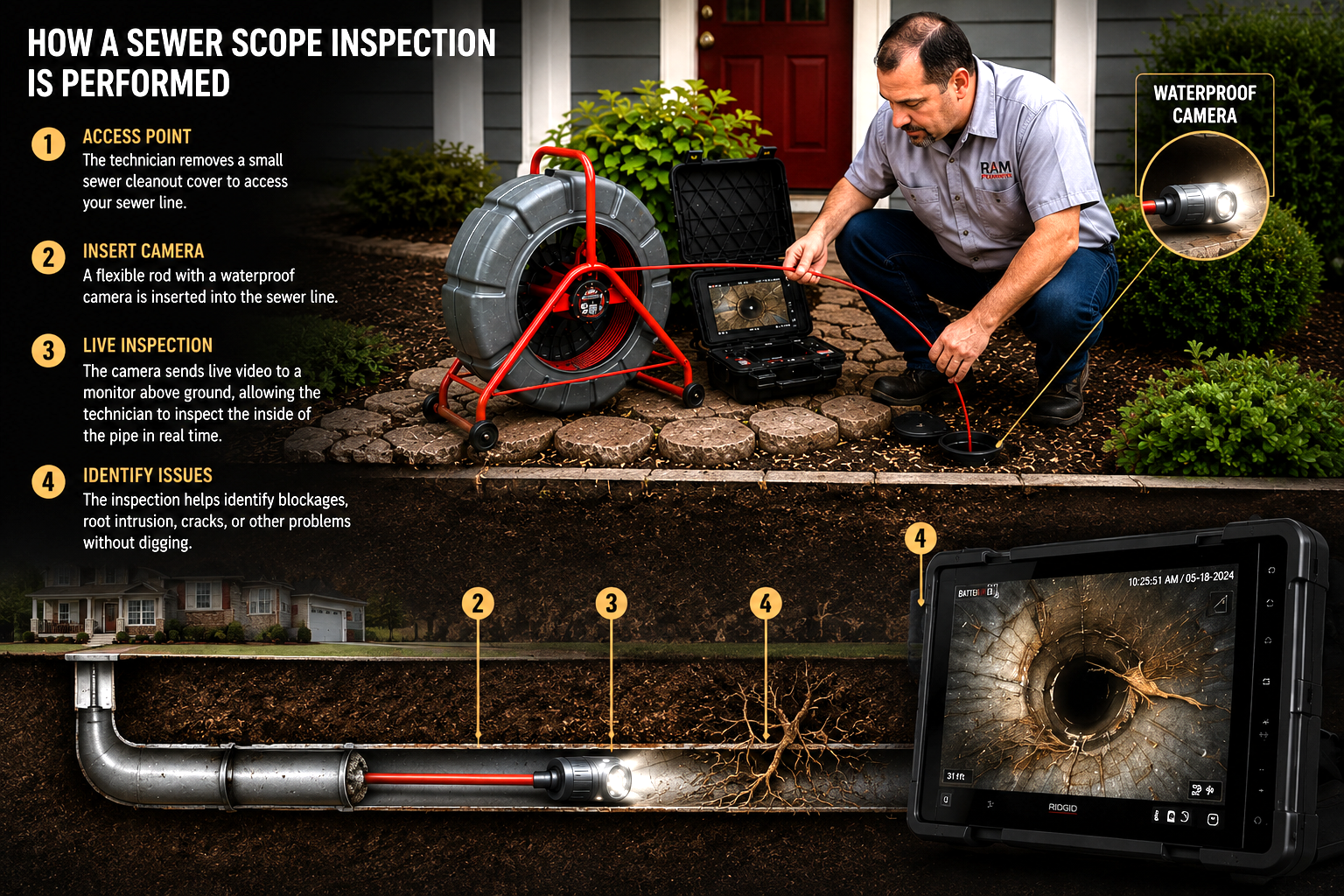
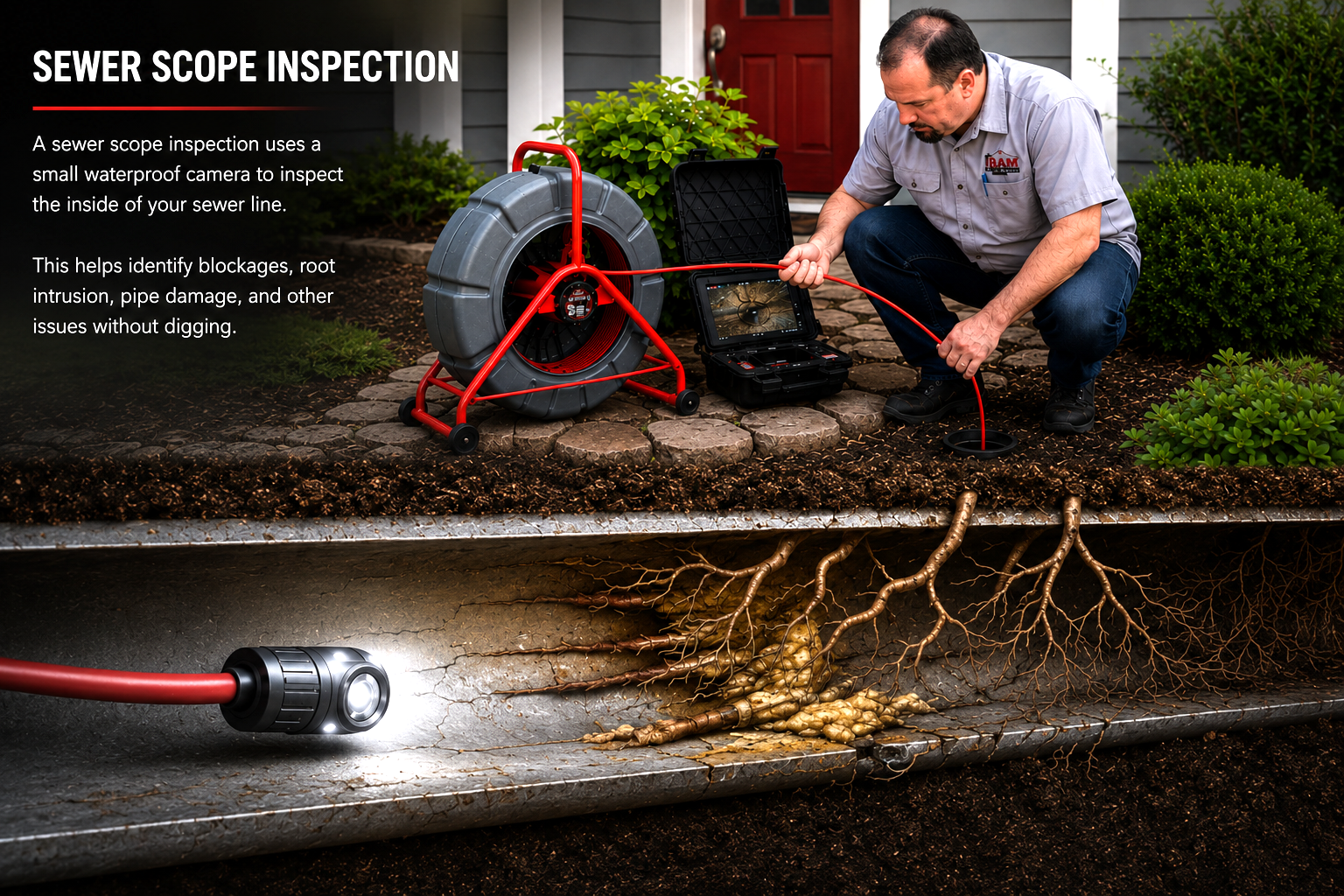
A sewer scope inspection utilizes a specialized camera to evaluate the condition of the home’s main sewer line. The camera is inserted into the line to identify potential issues—such as cracks, root intrusion, blockages, or deterioration—that are not visible during a standard home inspection.
How is a Sewer Scope Performed?
Our sewer scope inspection process includes:
- Inserting a high-resolution camera into the sewer line
- Navigating the line from the structure to the main connection
- Recording video to document the condition of the pipe
- Identifying visible defects, blockages, or areas of concern
This non-invasive process is typically completed in conjunction with the inspection.
Why is a sewer scope important?
Our sewer scope inspection process includes:
- Inserting a high-resolution camera into the sewer line
- Navigating the line from the structure to the main connection
- Recording video to document the condition of the pipe
- Identifying visible defects, blockages, or areas of concern
This non-invasive process is typically completed in conjunction with the inspection.
What are common sewer line issues?
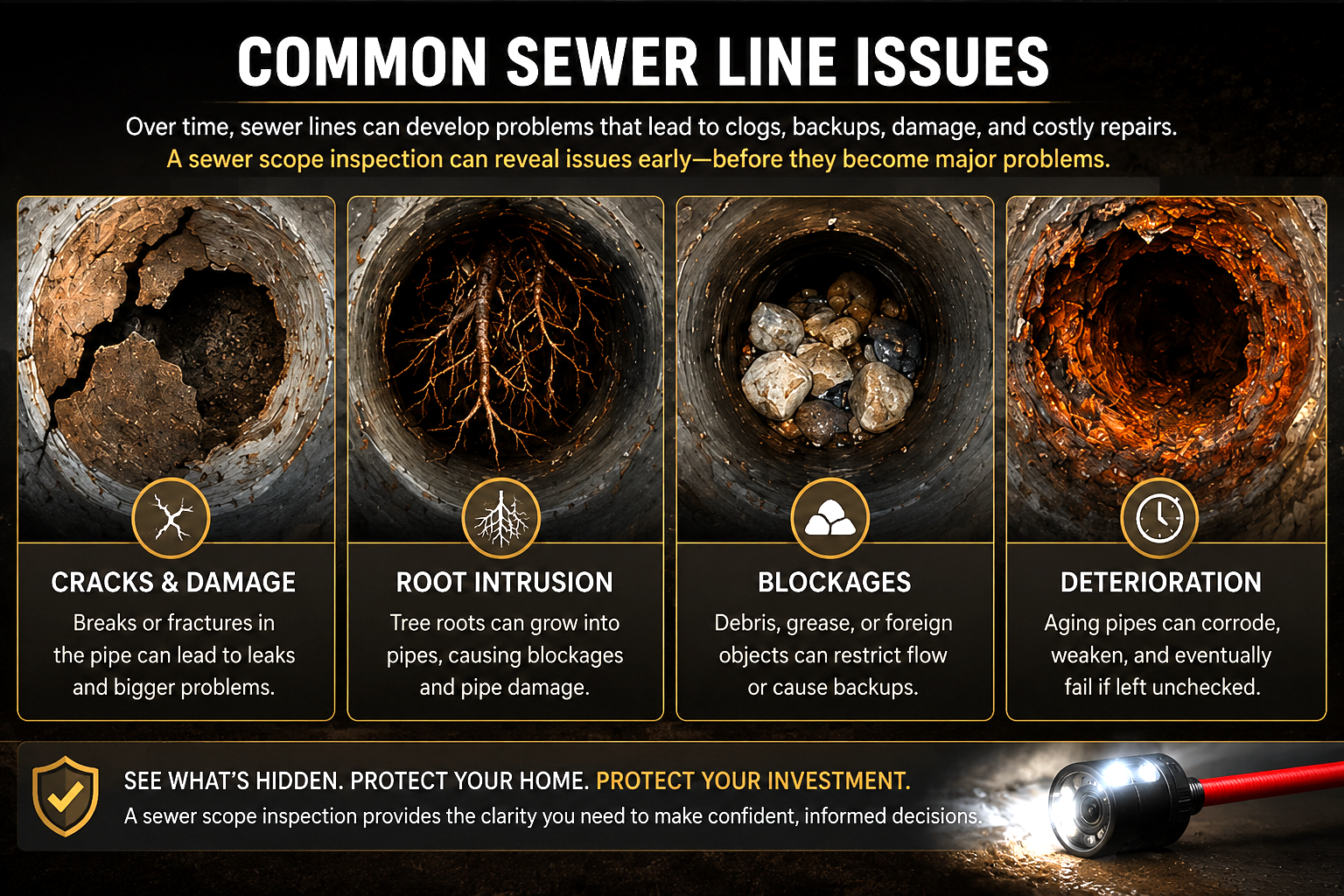
We frequently find:
- Tree root intrusion
- Cracked or broken pipes
- Offset or separated joints
- Blockages or buildup
- Deterioration in older pipes (clay, cast iron, Orangeburg)
Many of these issues are not noticeable until a backup or failure occurs.
What does your sewer scope report include?
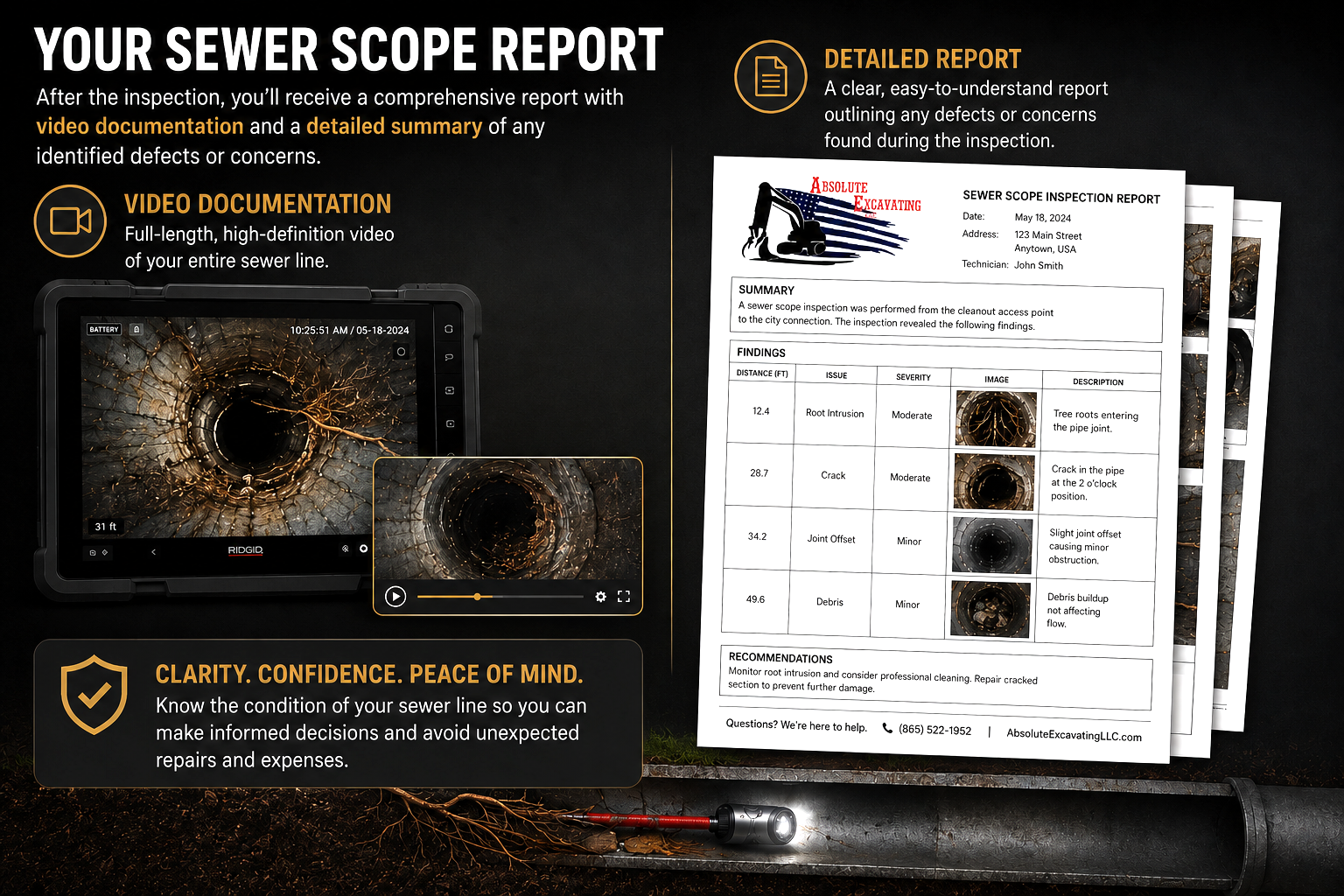
- Our certified technician will provide:
- Video documentation of the sewer line
- A detailed report outlining any identified defects or concerns
- Practical recommendations for repair, if needed
- Estimated repair costs upon request
- We present our findings clearly, so you understand what you’re seeing—and what it means for your next steps.
When should you get a sewer scope?
- During a real estate transaction.
- Prior to End-of-Builder Warranty
- Prior to major renovations or additions.
Especially important for:
- older homes (20+ years)
- homes with mature trees
- homes with a history of backups
- flipped or vacant homes.
Sewer Scope Inspections in Colorado
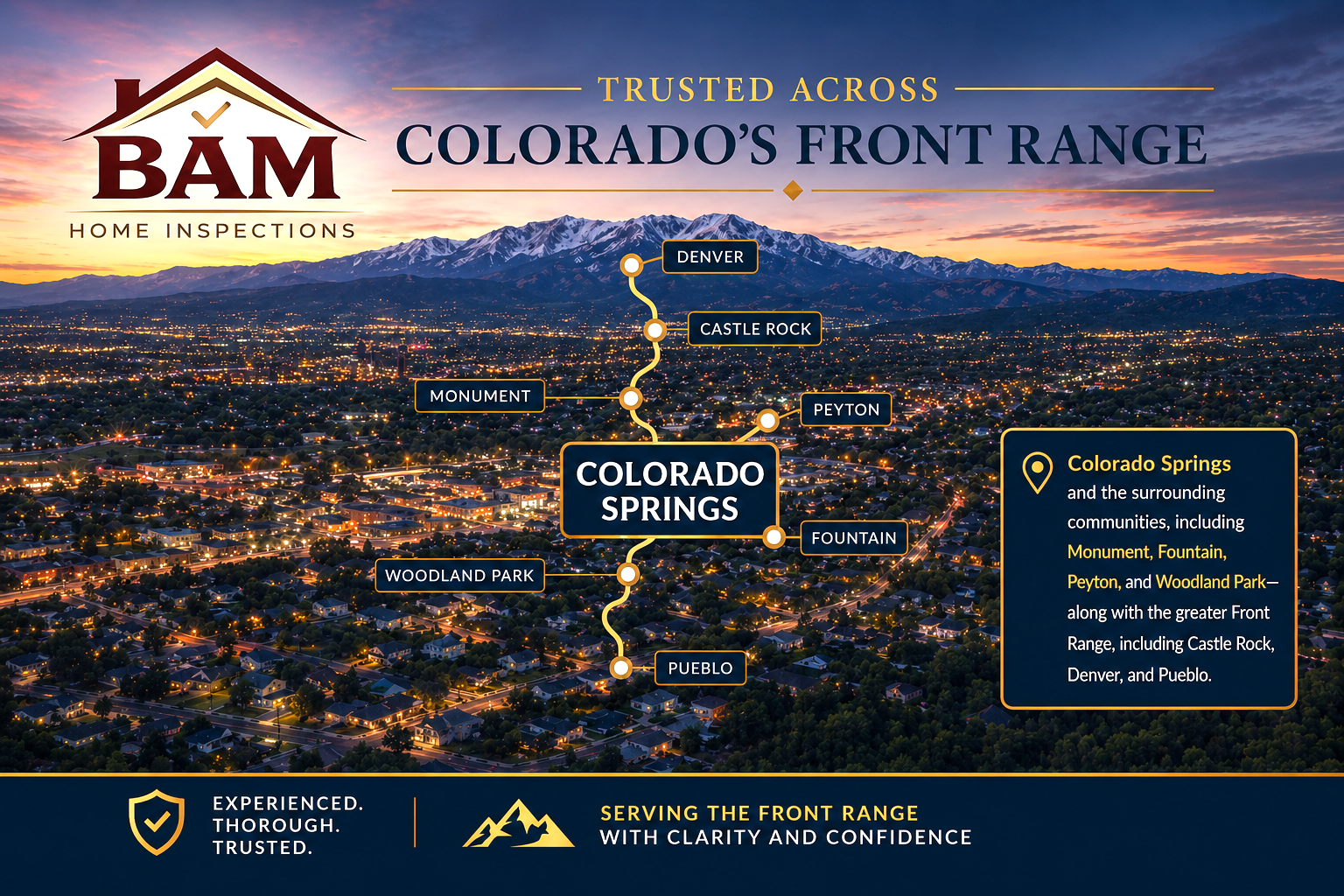
Proudly serving Colorado Springs and surrounding communities, including Monument, Fountain, Peyton, and Woodland Park—along with the greater Front Range, including Castle Rock, Denver, and Pueblo.
Our certified, highly experienced sewer scope technicians bring extensive knowledge of common regional conditions that can impact sewer lines, including:
- Tree root intrusion from mature landscaping
- Aging or deteriorating sewer infrastructure
- Soil movement that can affect pipe alignment and integrity
This local expertise allows us to recognize patterns, identify potential concerns early, and provide meaningful insight into the condition of the sewer line.
What additional services are available?
A sewer scope is most valuable when combined with a full home inspection.
Also consider:
Radon Testing
Radon is an odorless, colorless, and naturally occurring radioactive gas that can cause serious health issues over time.
Mold Testing
Mold is more than just an unsightly problem—it can affect both the structural integrity of a home and the health of those living inside it.
Wood-Destroying Organism Inspection
Our WDO inspection includes a detailed examination of the home looking for signs of wood destroying organisms to include termites, carpenter ants, carpenter beetles, and wood-boring beetles. Fulfills the VA Loan requirement.
FAQs
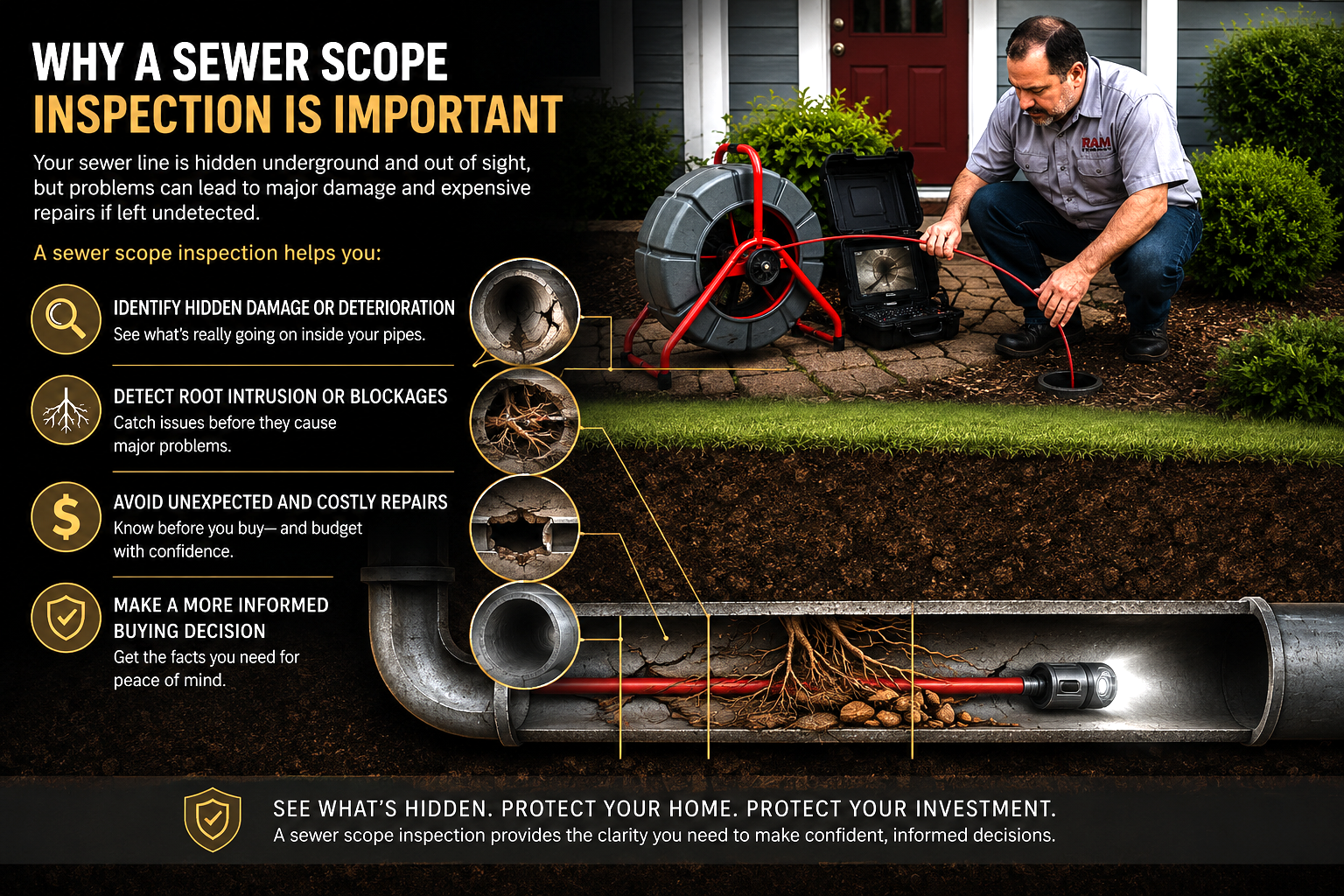
Yes. Sewer lines are not visible during a standard inspection, yet they are one of the more costly components to repair or replace. A sewer scope uses a specialized camera to evaluate the line and can reveal hidden issues—such as cracks, root intrusion, blockages, or deterioration—before they become unexpected problems.
Pricing varies based on the property and the services selected. Sewer scope inspections are often available at a reduced rate when bundled with a home inspection. Contact us for a personalized quote.
Most sewer scope inspections are completed within approximately 30–60 minutes. The exact timing may vary depending on the length, condition, and accessibility of the sewer line, as well as any issues encountered during the evaluation.
A sewer scope inspection is designed to identify visible conditions within the pipe; however, certain issues may require further evaluation or repair by a licensed plumbing professional. In some cases, additional testing or an invasive inspection may be needed to fully assess the extent of a condition.
A sewer scope inspection uses a specialized camera to evaluate the condition of the underground sewer line—an important assessment, as potential issues are not visible during a standard inspection and repairs can be costly. This process helps identify concerns early, before they develop into more significant problems.
We will clearly explain any identified concerns and provide practical guidance on next steps, which may include further evaluation or repair by a qualified professional.
Yes. Even newly constructed homes can have installation-related issues, construction debris, or damage within the sewer line. Because these components are installed early in the building process and are not visible once completed, defects may go unnoticed without a sewer scope inspection.